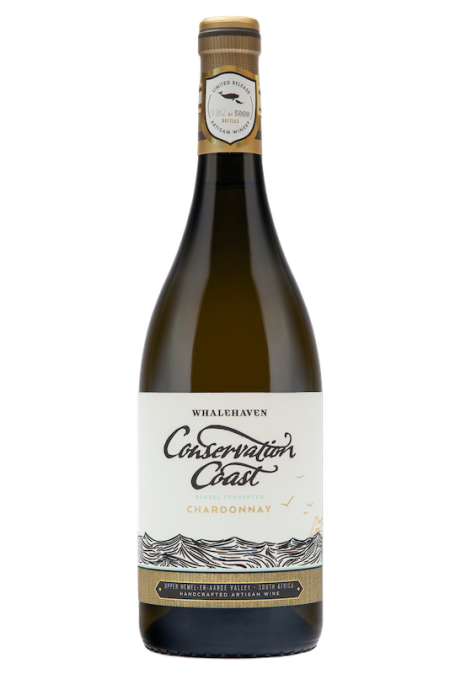
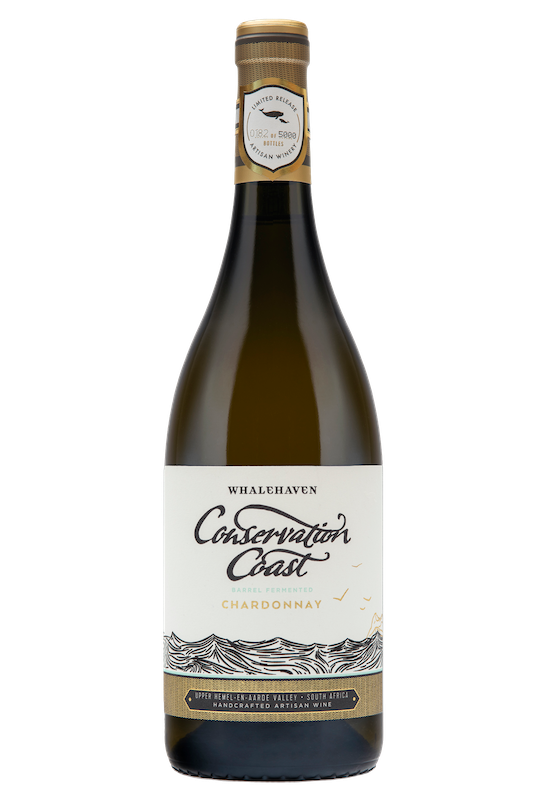
Conservation Coast Chardonnay 2012
R405.00
Description
This wine is crafted from fruit sourced from the Upper Hemel-en-Aarde valley – an area world renowned for its production of Burgundian varietals – and exhibits a slight golden hue, with a sweet honeyed nougat and vanilla perfume on the nose. The mid palate is well rounded with almond and baguette flavours and a savoury mineral consistency which follows through to a lemon and citrus finish.
Blank
Your content goes here. Edit or remove this text inline or in the module Content settings. You can also style every aspect of this content in the module Design settings and even apply custom CSS to this text in the module Advanced settings.
Vintage
Varietal
Technical Info
VINEYARDS & TERROIR
The grapes come from nine-year-old CY5 clone vines on north facing slopes. The vines experience, on average, 750mm of rain each year with south-easterly winds in the spring and summer and north-westerly winds in the autumn and winter. The soil is composed of a Longlands/Avalon soil and a fine Table Mountain sandstone of which 15% is clay. Along with natural rainfall, the vines are supplemented with under vine micro jet irrigation in every second row.
VINIFICATION
The grapes were handpicked in the early morning on 27th February 2012 into 18kg lug boxes at a Balling of 23.7°. Once picked the grapes were placed in cold storage for overnight cooling to a temperature of 4°C. The following day the grape bunches were hand sorted before being put straight into the press for whole bunch pressing up to 1.2 Bar. Thereafter the juice is moved to tank where it remained untouched for three days and allowed to settle. The juice was then racked off its lease and allowed to heat up naturally before being inoculated with Lallemand ICV D21 yeast at 30g/hl and then moved to barrel for fermentation to take place for nineteen days. The lees were stirred every day for two weeks directly after fermentation and then twice a week for three months thereafter. The wine was then racked off its lees, given a light sulphurated and allowed four months maturation before being given a light filtration and bottled.
Food Pairing